



Miscarriage After IVF Treatment Despite Good Embryo Quality: Possible Causes & Solutions
Though promising, In Vitro Fertilization (IVF) has some setbacks. Miscarriages after IVF, especially after the transfer of good-quality embryos, can be a very devastating experience for couples. Trying to understand why some pregnancies after IVF fail, even with good-looking embryos, is a common phenomenon amongst couples who seek answers. This paper will outline some of these answers, the strategies, other reasons, and how to best assist your fertility journey.
What Does It mean, and when does a miscarriage occur after IVF?
A miscarriage after IVF occurs when a pregnancy ends spontaneously before viability, typically before 20 weeks. This may occur despite a successful embryo transfer, and even when embryos of good or normal chromosomes are transferred. The psychological effect may be tremendous, yet understanding the underlying causes will allow you to collaborate with your fertility doctor to enhance the future results.
Common Causes of Miscarriage After IVF
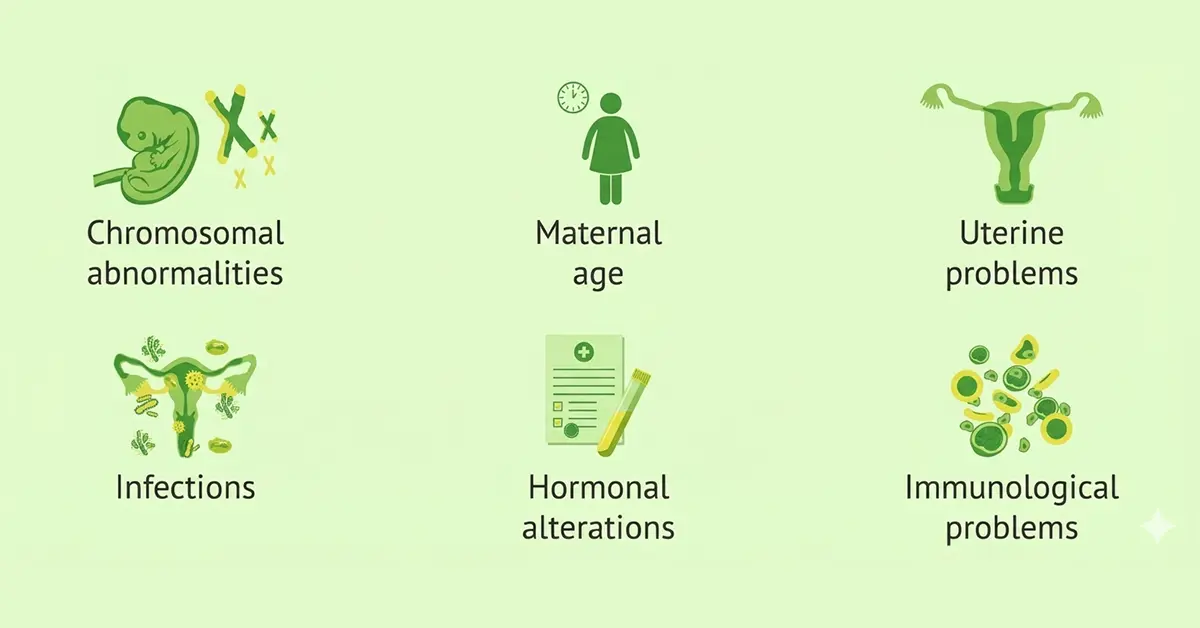
Miscarriage after IVF is multifactorial in nature, usually meaning that there is more than one factor that may have precipitated the loss of the pregnancy. Here are some of the most frequently identified IVF miscarriage causes:
- Genetic Abnormalities
Although embryos may appear fine with the help of the microscope, there may be some minor abnormalities with chromosomes. Traditional embryo grading doesn’t detect genetic issues, and these hidden abnormalities may lead to miscarriage after IVF with good embryos. Aneuploidies Preimplantation Genetic Testing Aneuploidies (PGT-A) has the potential to minimize, but not eliminate, the possibility of passing an abnormal embryo.
- The Environment and Receptivity of the Uterus
The implantation and the further existence of embryos require a healthy and open uterine lining. Factors, which include fibroids, polyps, adhesions, or a thin endometrial lining, can disrupt implantation and early development. Although the embryos may be of high quality, there are still reasons why IVF implantation failure, such as poor endometrial receptivity, may cause miscarriage.
- The Immunological/Autoimmune Factors
Other women have an immune reaction in which the embryo is treated as a foreign body and derails early pregnancy. Unbalancing the immune tolerance of the mother, the natural killer cells’ functions, or the autoantibodies may affect the survival of embryos after implantation. These immunologic factors are slowly becoming known to be the responsible causes of recurrent pregnancy loss following IVF.
- Hormonal dysfunction
Hormones like progesterone and thyroid hormones are significant factors that help in supporting the early pregnancy. Subtle imbalances in these crucial hormones can have an impact on the stability of the pregnancy and lead to early miscarriage.
- Blood Coagulation Disorders
In other situations, the clotting disorders may hamper the blood circulation to the developing placenta, and hence the miscarriage. Such disorders as antiphospholipid syndrome or thrombophilia are the causes of poor placental growth and preterm pregnancy loss following IVF.
Recurrent Miscarriage After IVF: What You Need to Know?
When a miscarriage occurs repeatedly over successive IVF cycles, this is termed recurrent miscarriage after IVF. This trend needs to be investigated further to establish the valid reasons behind it. Recurrent losses are usually examined through genetic screening of both members, uterine evaluation of structural deformities, and a test of autoimmune or clotting disorders.
Why do IVF Pregnancies sometimes fail despite having good embryos?
This may be particularly distressing in cases where the patient miscarries following IVF of successful embryos. A good morphological quality does not necessarily have chromosomal normality or the best developmental potential.
Also, the implantation and development of the embryo cannot occur without embryo health. The uterine conditions, hormonal backup, and the general health of an individual are all important. Pregnancy progression may be disrupted following embryo transfer by structural abnormalities, immunological dysregulation, or even lifestyle or environmental factors.
Solutions to Miscarriage After IVF Treatment and Supportive Strategies
Even though not all miscarriages can be avoided, there are evidence-based measures that can increase the likelihood of a successful pregnancy following IVF:
1. Broad Assessment and Individualised Therapy
If you have experienced a miscarriage after IVF, a detailed assessment by your fertility specialist is essential. This can involve hormone tests, uterine imaging, embryo genetic testing, and immunological testing. By identifying pinpointing factors, you get specific targeted treatments that will apply to your needs.
2. Preimplantation Genetic Testing (PGT)
PGT, mainly to be used in relation to aneuploidy, is used to select chromosomally normal embryos prior to transfer and could potentially decrease the chances of miscarriage. Although not flawless, PGT offers further details that can be used in the selection of embryos and facilitate the results for some patients.
3. Optimisation of Uterine Conditions
Fixing uterus issues, making the uterine lining healthier, and transferring the embryo at the right time help the embryo attach better and lower the risk of miscarriage.
4. Hormone and Immune Modulation
Treatment: Hormonal treatment may be advised, such as progesterone preparation or immune-modulating medication when necessary. The purpose of these interventions is to promote early pregnancy and stabilisation of the maternal environment.
5. Emotional Support and Counselling
Having a miscarriage after IVF can be emotionally draining. Couples can overcome the psychological impact of all that, along with medical care, emotional support, and counselling. A great number of IVF clinics, such as IVF London, combine supportive care into the treatment plan to provide holistic care during this challenging period.
Final Thoughts
While miscarriage after IVF remains a problematic experience, understanding the IVF miscarriage reasons and working closely with a fertility specialist can significantly help in planning the next steps.
There are various tools and treatment options that are provided to enhance results even in cases where failure has occurred before, by using modern reproductive medicine. With proper assessment, tailored treatment plans, and loving care, most couples end up having healthy pregnancies.
If you have suffered a miscarriage after IVF or are concerned about your chances of success, speak with an experienced specialist at IVF London. Our group is always committed to helping people with a customized diagnostic path and fertility options based on your specific clinical history. Book a mini consultation for free today!

