



Egg Donor Matching Explained: How Clinics Find the Right Donor for You
It is truly a very intimate decision to embark on the IVF process using donor eggs. For many people pursuing parenthood through donor egg treatments, matching with the right egg donor is one of the most important parts of the experience. This guide explains, in clear and simple terms, how clinics and egg banks select donors, how egg donor matching works, and what factors influence your chances of success.
What Is Egg Donor Matching?
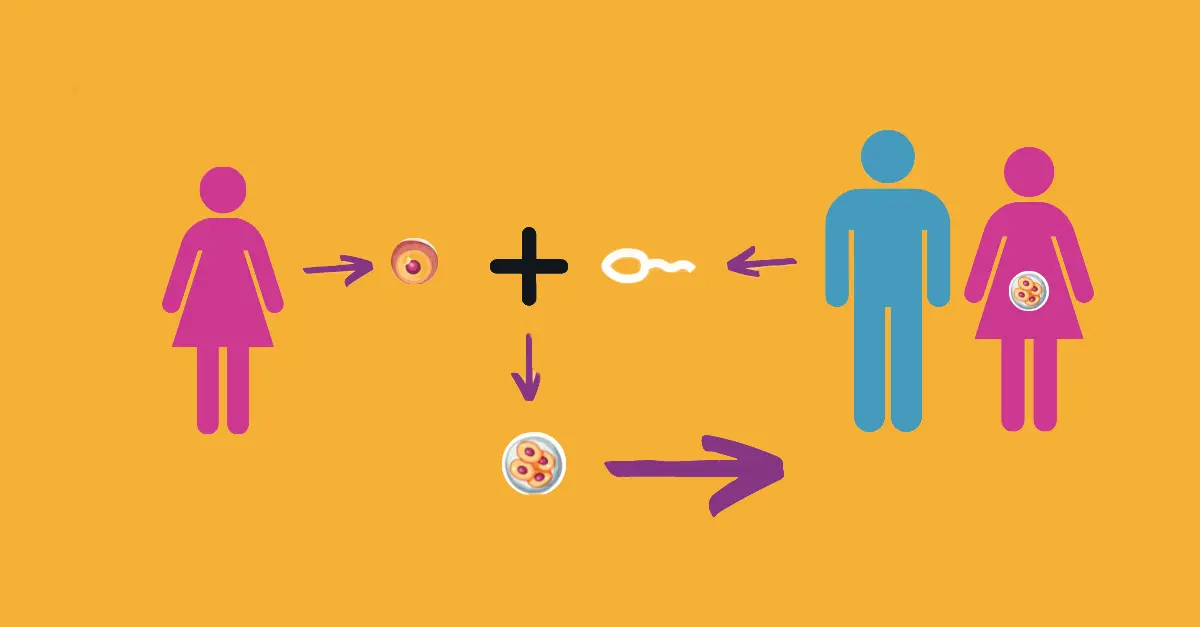
Egg donor matching refers to the process by which fertility clinics or egg banks help you find a donor whose characteristics and medical profile align with your wishes and needs. This will be done so that the donated eggs that you will be using in your IVF procedure are those of a woman who has passed the medical safety tests, and when the need arises, she has certain traits or characteristics that you want.
Matching isn’t only about physical traits; it also includes health, genetic history, and other personal criteria that many prospective parents consider important when choosing an egg donor.
Why Egg Donor Matching Matters?
The success of donor egg depends on the quality of the eggs. The donated eggs are usually from young, healthy women who have been tested for fertility potential and good health. Selecting an appropriate donor might have both emotional and clinical impacts. Eggs of the highly-selected donors would usually result in superior fertilisation rates and pregnancy rates than the cycles with your own eggs, particularly when there is a worry of age-associated deterioration of egg quality.
How the Egg Donor Selection Process Works?
1. Screening and Recruitment of Donors
Medical and fertility history: Physicians use the past reproductive health and general health as a measure.
Hormone testing and ovarian reserve testing: Ovarian reserve is tested through such tests as AMH (Anti-Mullerian Hormone).
Genetic screening: Genetic screening is done on the donors to determine the inherited conditions and carrier status.
In fact, infectious disease testing: The donors undergo screening against HIV, hepatitis, and other infections.
Psychological analysis: Ensures that the donors are aware of the emotional and ethical side effects of donation.
Only donors who meet these strict physical and psychological requirements are admitted into a clinic’s or egg bank’s donor pool.
2. Building a Donor Profile:
Upon approval, a profile of every donor will contain:
- Physical features (colour of eyes and hair, height)
- Educational background and personal background.
- Medical and family history
- Blood group
These profiles help you begin the egg donor matching process based on what matters most to you.
How Are Egg Donors Matched?
Matching differs with the individual clinics, but the fundamental steps are alike:
1. Define Your Preferences:
During your first visit to the fertility specialist, you will be questioned about your donor preferences. Many people prioritise:
- Physical similarity: Skin colour, eye colour, hair colour, etc.
- Health and medical history
- Educational background and lifestyle.
There are also clinics where ethnicity or cultural background preferences may be made. Such preferences are used to reduce the number of potential donors.
2. Review Donor Options:
Here, you are given an opportunity to choose your donor based on their profiles. This tends to occur via an online database that allows you to get in through a secure online system or during consultations with a specialist coordinator who will help you to understand all the profiles.
3. Finalising the Match:
Medical compatibility is checked after you have chosen the profile of a donor that you prefer. The donor should be free to continue with the treatment, and on the other hand, all the necessary medical examinations should be specific before the eggs are utilized in your IVF cycle.
Waiting lists in certain clinics in the UK are not fixed as the number of willing donors is low, and the demand is high. We have found matching to be faster in a private egg bank that has a bigger database, based on your specifications.
Embryology Authority UK- Legal and Ethical
The Human Fertilisation and Embryology Authority (HFEA) regulates egg donation in the UK. Important points include:
Payments are given to the donors in exchange for their time and costs, but not for profit.
Children born of donor eggs will be able to obtain information about their donor after turning 18 years old.
One donor would be able to donate to a few families to limit biology in the population.
Such rules guarantee a moral practice and protect the rights and interests of donors, recipients, and future children.
Donor Egg IVF Success Rates
Improved success is one of the primary reasons why people opt to use donor eggs. Donor egg IVF success rates are generally higher than traditional IVF using your own eggs, especially for women with diminished ovarian reserve or advanced maternal age. Research demonstrates that pregnancy rates when donor eggs are used may be significantly higher than those achieved using a woman’s own eggs
Success is influenced by:
- Egg quality
- Uterine receptivity
- Embryo development
The clinic’s IVF protocols
In most UK clinics, London being one of them, success is calculated in the number of live births per transfer of embryos. When consulting clinics, they will provide detailed success figures that relate to their programmes.
Tips for Choosing an Egg Donor
When choosing an egg donor, consider:
- What do you consider to be the most important traits?
- Medical and family history of the donor.
- Assistance of the clinic in terms of matching and selection.
- The issue of whether or not donor identity release at the age of 18 is acceptable.
- Your mental preparedness for non-genetic parenting.
Taking all this into account, our fertility team at IVF London or other reputable clinics can assist you and help you feel confident in your choice.
Conclusion
Understanding how egg donors are matched, the egg donor selection process, and the factors influencing donor egg IVF success rates can make a complex journey feel more manageable. Through donor egg IVF, several people and couples can have their dream of having a family with careful matching, rigorous screening, and supportive clinical care. Clinics in London, such as IVF London, are well-practiced in taking patients through the process in an evidence-based, ethical, and compassionate manner.
Book a free mini consultation today with IVF London and let the experts address your queries and guide you in the right direction.

