Frozen Embryo Transfer (FET) in IVF – Everything You Need to Know
In recent years, Frozen Embryo Transfer (FET) has become increasingly common for embryo transfer. Advances in embryo-freezing techniques have transformed fertility care, giving many couples additional opportunities to achieve pregnancy using embryos created during previous IVF cycles.
Understanding how FET works, what to expect, and how to prepare can help you feel more confident and informed throughout your fertility journey.
What Is Frozen Embryo Transfer (FET) in IVF?
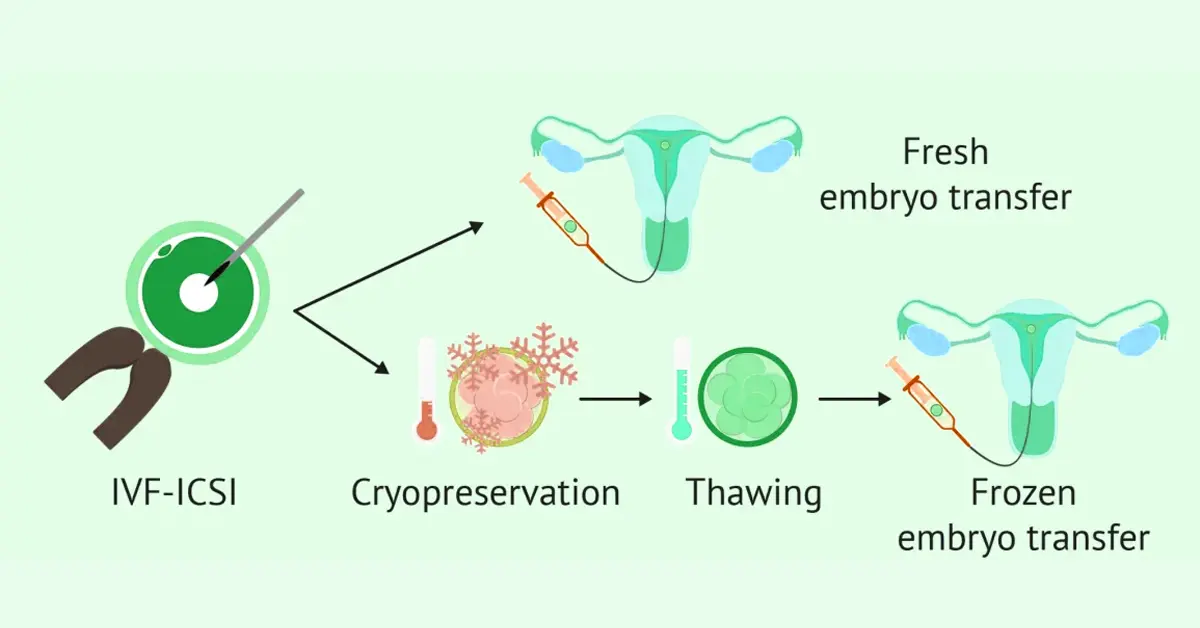
Frozen Embryo Transfer (FET) is a procedure in which a previously frozen embryo is thawed and transferred into the uterus during the latter half of the menstrual cycle.
In a typical IVF cycle, multiple embryos may be created in the laboratory. While one or more embryos may be transferred immediately, additional high-quality embryos can be frozen using advanced techniques such as vitrification for future use.
When you’re ready to try for pregnancy again, one of these embryos is carefully thawed and transferred into the uterus at the optimal time.
FET allows patients to:
- Use embryos from a previous IVF cycle
- Avoid repeating egg retrieval and fertilisation
- Attempt pregnancy after the body has fully recovered
Because the embryos are already created, the FET cycle focuses primarily on preparing the uterus for implantation.
FET Procedure Step by Step
Understanding each stage of the FET process can make the experience feel less overwhelming. While protocols may vary slightly between clinics, the general steps are similar:
1. Initial Consultation and Planning
Your fertility specialist reviews your medical history, previous IVF cycle details, and embryo quality. A personalised treatment plan and timeline are then created.
2. Uterine Lining Preparation
Preparing the uterus is essential for successful implantation. This may involve:
- Estrogen therapy
- Progesterone supplements
- Regular ultrasound monitoring
These treatments help build a thick, receptive uterine lining.
3. Monitoring and Timing
Ultrasound scans-and sometimes blood tests-track the development of the uterine lining. Once optimal thickness is achieved, the embryo transfer is scheduled.
4. Embryo Thawing
On the day of transfer, the embryology lab carefully thaws the frozen embryo. Thanks to modern vitrification techniques, survival rates after thawing are very high.
5. Embryo Transfer
The embryo is placed into the uterus using a thin catheter. The procedure is quick, usually painless, and similar to a Pap smear.
6. Post-Transfer Care
Progesterone support continues after the transfer to aid implantation. A pregnancy test is typically performed 12-14 days later.
Frozen Embryo Transfer Success Rate
Many patients wonder how successful FET is compared to fresh embryo transfers.
Success rates depend on several factors, including:
- Age at the time of egg retrieval
- Embryo quality
- Uterine health
- Underlying fertility conditions
With modern freezing methods, FET success rates are often comparable to-and sometimes higher than – fresh embryo transfers. One reason is that the body may be in a more natural hormonal state during a later cycle, improving the chances of implantation.
Additionally, FET allows clinicians more time to optimize the uterine environment before transfer.
Frozen Embryo Transfer vs Fresh Embryo Transfer
Understanding the difference between frozen and fresh embryo transfers can help you make an informed decision.
Fresh Embryo Transfer
Occurs within the same IVF cycle as egg retrieval and fertilisation.
Advantages:
- Shorter timeline
- No need for freezing and thawing
Frozen Embryo Transfer
Takes place in a later cycle using previously frozen embryos.
Advantages:
- Allows the body to recover from ovarian stimulation
- Enables better timing and uterine preparation
- Reduces the risk of Ovarian Hyperstimulation Syndrome (OHSS)
Today, many clinics recommend a “freeze-all” approach followed by FET to create a more controlled and physiologically optimal environment.
Frozen Embryo Transfer Cost
The frozen embryo transfer cost is typically lower than a full IVF cycle because egg retrieval and fertilisation are not required again.
The total price, however, may change depending on several factors:
- Fertility clinic location
- Medication requirements
- Embryo storage fees
- Supervision of scanning and laboratory tests.
Although the prices of the two clinics, as well as the countries, vary, a frozen embryo transfer often comprises medication, follow-up appointments, embryo thawing, and the transfer procedure itself.
Preparation for Frozen Embryo Transfer
Proper preparation can improve the chances of successful implantation. Here are some key tips:
Maintain a Healthy Lifestyle
Eat a balanced diet, stay active with light exercise, and prioritise quality sleep.
Follow Medication Instructions
Take all prescribed medications exactly as directed to support uterine lining development.
Manage Stress
Fertility treatment can be emotionally demanding. Techniques such as yoga, meditation, or counselling can help maintain emotional well-being.
Avoid Harmful Substances
Limit or avoid smoking, alcohol, and excessive caffeine.
Attend All Appointments
Regular monitoring allows your care team to optimise timing and adjust medications as needed.
Final Thoughts
Frozen Embryo Transfer has revolutionised modern fertility treatment by offering greater flexibility, improved timing, and excellent success rates. For many patients undergoing IVF, FET provides additional opportunities to achieve pregnancy using embryos created in earlier cycles.
By understanding the procedure, success rates, costs, and preparation involved, you can make more informed decisions about your fertility care.
If you’re considering FET, working with experienced fertility specialists and following a personalised treatment plan can make all the difference in your journey to parenthood.
Ready to take the next step in your fertility journey? The IVF specialists at IVF London is here to guide you with personalised care, advanced technology, and compassionate support at every stage. Book your consultation today and move closer to building the family you’ve been dreaming of.